Astrophotography Basics: Picking A Suitable Site

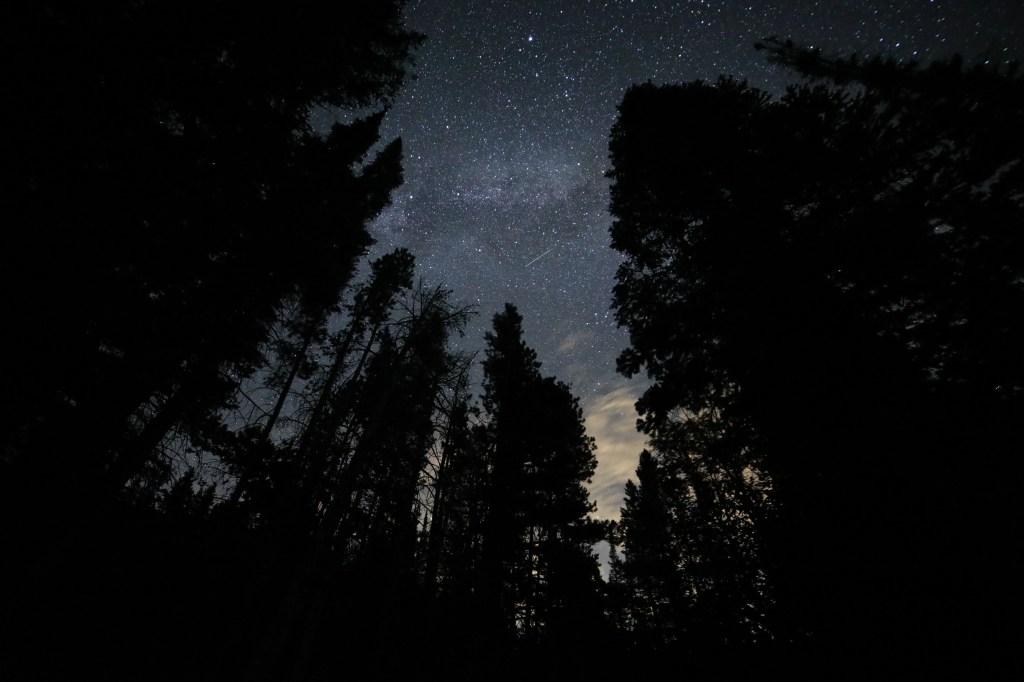
While doing astrophotography from your backyard can result in lovely pictures, I think doing it out in the wilds is a whole different beast.
In this post, I want to spend some time discussing how to pick out an appropriate site. It may be more accurate say that this post is how I end up picking an appropriate site to do astrophotography.
You absolutely can do astrophotography from your backyard. However, I think most of us will be dealing with a significant amount of light pollution if we limit it solely to our backyards. A lot of us, due to necessity, will live in metropolitan areas or suburban areas with significant light pollution. This isn’t to say it is impossible to photograph from your backyard or balcony in an urban area, but it is more difficult to capture celestial objects from the city skies.
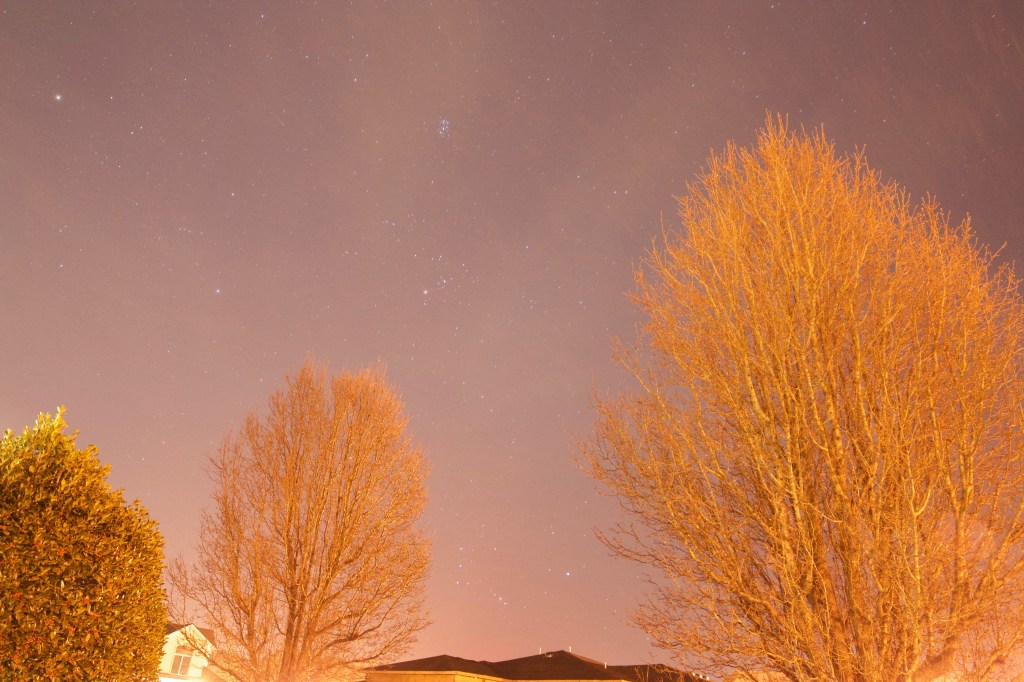
Given that, I generally head out to the countryside/more rural parts given there is less light pollution there. That raises the question of how do you pick out an appropriate site?
- Research dark sky parks/international dark sites/locations situated away from major metropolitan areas.
You really don’t need to reinvent the wheel here. There is already a plethora of information on the internet already regarding suitable dark sky parks/dark sky sites/designated dark sites.

Given the booming interest in astrophotography–how it unites people and also leads to people traveling to get to the best locations—you will actually find websites listing exceptional places to do your stargazing.
Darksky.org has a listing of places all over the United States and elsewhere where people can do astrophotography and stargazing.
Essentially, some folks have done a lot of the easy work for you already and it is a matter of finding the right dark sky site that is not too far from you or one you can make a part of your next trip.
2. If possible, try to visit your proposed astrophotography spot during the daytime.
Trust me on this.
It is frustrating to head to an astrophotography spot and not be sure you are in the right spot because it’s dark and you’re unfamiliar with the area. Not only does this possibly lead to wasted time, but it can also be unsafe as well.
If possible, try to visit the spot you want to do astrophotography at during the daytime. During the daytime, you can get a lay of the terrain and get a sense of what would make an interesting foreground for a photo.
You can also use certain apps to see what the night sky will look like later in the evening (more on this in a future post!).
Safety is also related to this as well. The last thing you want is to be heading to a spot in the dark for the first time and you twist your ankle because you were not aware that the area had a ton of loose rocks. Those are the types of dangers/obstacles that you can avoid or head-off by visiting a proposed site during the day.
Normally, I like to do day hikes for potential astrophotography locations. If I think it is suitable, I will come back prepared in the evening with my gear feeling more confident that I have a general idea of how the area looks.
3. Know the rules and regulations of the astrophotography sites that you are visiting.
With hiking, you are responsible for knowing the rules, regulations, and customs when you head out into the outdoors. It is the same with astrophotography.
National parks, national preserves, national grasslands, and their state counterparts will generally have their rules and regulations posted within the park and also on their respective websites.
Common things to look out for:
I. Will I need to pay for a park pass or pay some type of fee? Will I need to pay a separate fee to park my vehicle?
II. What are the hours of operation for the place I am visiting? Being inside of a park outside of designated hours can lead to you being fined, cited, or ending up with a criminal case.
III. Are there seasonal closures I have to be aware of? Some picturesque places may have roads that shut down for portions of the year due to the weather, so be sure to check ahead.
IV. Be wary of trespassing into private property! Some national park lands and some state park lands can be and are situated right not to private land. The owners may be very strict about who they allow on their property.
V. Are reservations required for the spot I am trying to visits? Withe the COVID-19 pandemic, many outdoor areas ares instituting timed-entry/reservations in order for people to visit an area.
4. Google Street View can be your friend!
I started using this feature of Google Maps to try to get a sense of how a location might look if I visited it. Understanding that it is only as reliable as the people posting the information (I am pretty sure I saw Darth Vader posted on the summit of a mountain!), I have found it to be somewhat useful in giving me a sense of what to expect with particular site and whether the drive out there might be worth. It doesn’t replace going in person, but it can be helpful in that regard.
Happy Star Hunting!

 Etienne Rising's Astrophotography Blog